
When people think about anesthesia, they often picture the operating room. But patient safety tied to anesthesia services starts long before a procedure begins and continues well after it ends. The reality is that anesthesia staffing plays a critical role across the entire care continuum, shaping outcomes in ways that extend far beyond the OR.
Hospitals and surgical centers that prioritize strong anesthesia staffing models aren’t just filling schedules; they’re building safer systems of care.
Patient Safety Begins Before the First Incision
Preoperative safety is one of the most important and often overlooked aspects of anesthesia care. Before a patient ever enters the operating room, anesthesia providers are responsible for evaluating medical history, identifying risk factors, and developing a tailored care plan.
Well-structured anesthesia staffing ensures that providers have the time and bandwidth to conduct thorough preoperative assessments. When staffing is stretched too thin, these evaluations can become rushed, increasing the risk of complications such as adverse drug reactions, airway challenges, or unmanaged comorbidities.
Strong anesthesia services prioritize:
- Comprehensive preoperative evaluations
- Clear communication with surgical and nursing teams
- Patient education and expectation setting
These steps reduce uncertainty and create a safer, more predictable experience for both patients and providers.
Intraoperative Safety Is a Team Effort
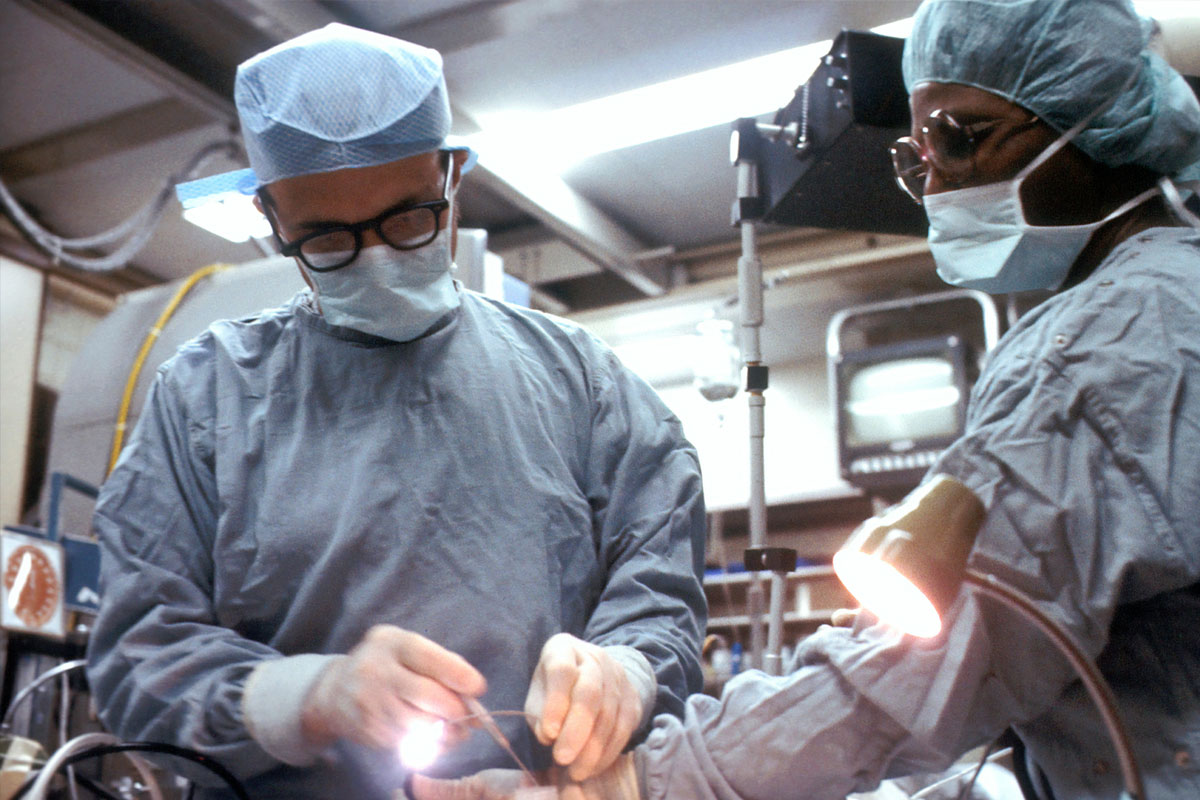
Inside the OR, anesthesia professionals are responsible for maintaining patient stability, monitoring vital signs, and responding in real time to any changes. While this is the most visible part of their role, it’s also where the impact of proper staffing becomes most apparent.
Effective hospital staffing models ensure that anesthesia providers are not overextended. When providers are responsible for too many cases or covering multiple rooms without adequate support, the risk of fatigue and delayed response increases.
Research consistently shows that provider fatigue and high workload can contribute to medical errors. Adequate anesthesia staffing helps mitigate these risks by allowing providers to remain focused, responsive, and fully engaged in patient care.
A well-supported anesthesia team leads to:
- Faster response times to intraoperative changes
- Better communication between surgical team members
- Reduced likelihood of preventable complications
Postoperative Care Is Just as Critical
Patient safety doesn’t end when surgery is complete. The postoperative phase is a vulnerable time when patients are recovering from anesthesia and may experience complications such as respiratory depression, nausea, or cardiovascular instability.
Anesthesia providers play a key role in post-anesthesia care units (PACUs), ensuring that patients are safely transitioning out of sedation and that any complications are quickly addressed.
Proper anesthesia staffing ensures continuity of care, meaning the same level of attention and expertise carries through from pre-op to recovery. Without this continuity, important details can be missed during handoffs, increasing the risk of errors.
High-quality anesthesia services support:
- Safe recovery from sedation
- Effective pain management strategies
- Clear communication during care transitions
The Hidden Impact of Hospital Staffing Models
Hospital staffing models directly influence how anesthesia care is delivered. Facilities that rely on reactive or understaffed models often face challenges such as last-minute coverage gaps, inconsistent care teams, and increased provider burnout.
On the other hand, proactive staffing strategies focus on alignment, not just availability. This means placing the right providers in the right environments, ensuring they are familiar with workflows, and supporting them with adequate resources.
When anesthesia staffing is approached strategically, hospitals benefit from:
- Improved patient outcomes
- Greater consistency in care delivery
- Higher provider satisfaction and retention
These factors all contribute to a safer healthcare environment overall.
Beyond Coverage: Why the Right Fit Matters
Filling a shift is not the same as building a safe care team. Anesthesia providers must be aligned with a facility’s protocols, culture, and patient population to perform at their best.
At ICON Anesthesia, the focus goes beyond simply providing coverage. The goal is to ensure that every provider placed within a facility is equipped to contribute to patient safety at every stage of care.
This includes understanding:
- Facility-specific workflows and expectations
- Patient demographics and case complexity
- Team dynamics within the surgical environment
When providers are properly matched to a facility, they can integrate seamlessly, communicate effectively, and deliver higher-quality care.
Building Safer Systems Through Anesthesia Staffing
Patient safety is not confined to a single moment or location. It’s the result of coordinated efforts across multiple touchpoints, all of which are influenced by staffing decisions.
Anesthesia staffing is a foundational element of this system. From preoperative safety assessments to postoperative recovery, the presence of skilled, well-supported providers makes a measurable difference.
Healthcare facilities that invest in thoughtful anesthesia staffing models are not only improving efficiency, they are actively reducing risk and enhancing the patient experience.
Looking to strengthen patient safety across your facility? Connect with ICON Anesthesia to build a staffing strategy that supports your team, your workflows, and your patients at every stage of care.