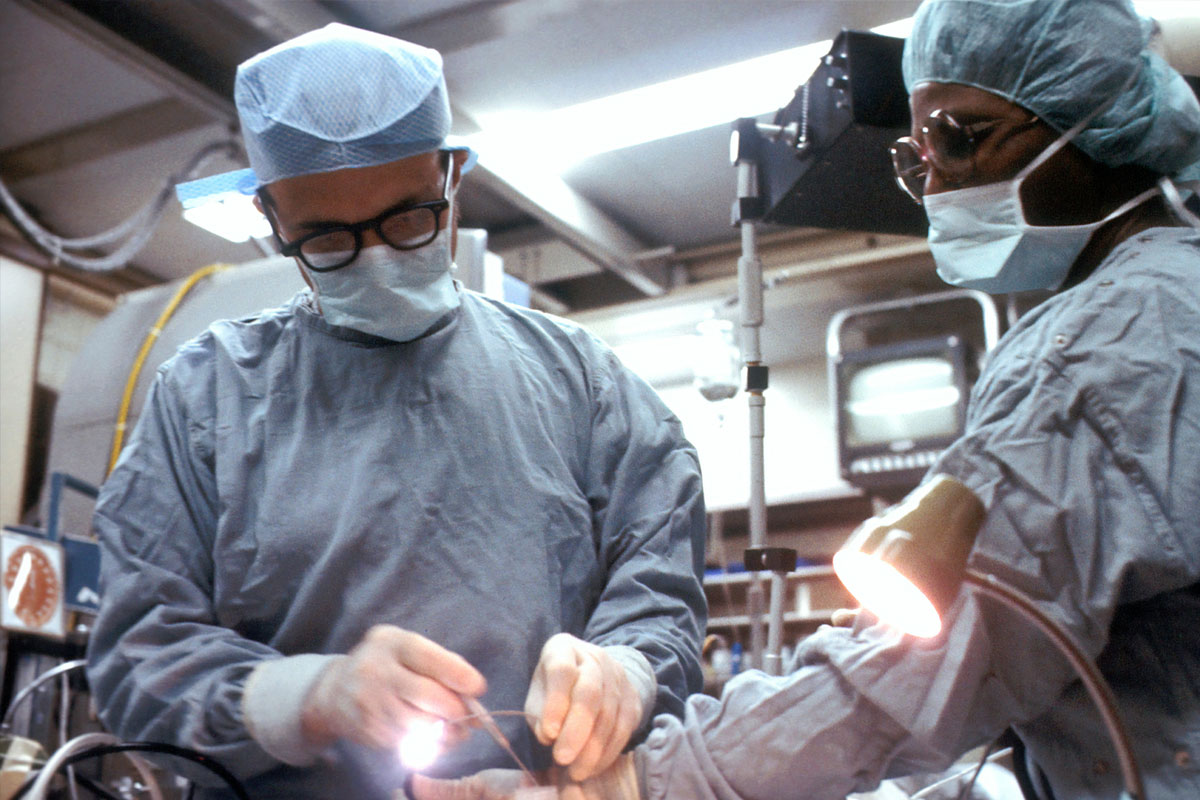

Healthcare technology continues to evolve at a remarkable pace. From smart watches and wearable fitness trackers to AI-powered glasses and mobile devices capable of recording audio and video, technology has become deeply integrated into everyday life. While these innovations offer convenience and connectivity, they also create new challenges for healthcare organizations striving to maintain patient privacy.
For anesthesia providers, surgeons, nurses, and healthcare leaders, the operating room presents a unique environment where privacy, professionalism, and trust must remain uncompromised. As wearable technology in healthcare becomes more common, facilities must proactively address the risks associated with smart devices in patient care areas before they lead to compliance issues, legal exposure, or professional consequences.
The Growing Presence of Smart Devices in Healthcare
A decade ago, concerns about patient confidentiality primarily focused on paper records, unsecured computers, and mobile phones. Today, the landscape is much more complex.
Many individuals now wear devices that include cameras, microphones, internet connectivity, location tracking, and artificial intelligence capabilities. Smart watches can record conversations. Smart glasses can capture images and video. Personal devices can instantly upload information to cloud-based platforms. In some cases, these features may be active without the user’s full awareness.
This growing reliance on technology has introduced new risks in healthcare technology that many healthcare organizations are still working to address.
The challenge is not limited to patients. Providers, contractors, vendors, and visitors may all enter healthcare facilities wearing connected devices that could compromise operating room privacy.
Why Patient Privacy Must Remain the Top Priority
Patient privacy in healthcare is more than a regulatory requirement. It is a cornerstone of patient trust.
Patients expect that their personal health information, medical procedures, and conversations will remain confidential. The operating room is one of the most sensitive environments in healthcare, where patients are often unconscious and unable to advocate for their own privacy.
Any unauthorized recording, image capture, or transmission of protected health information (PHI) can undermine that trust and potentially result in HIPAA compliance violations.
Even when no recording actually occurs, the appearance that a recording may have occurred can create significant concerns for patients, healthcare administrators, and regulatory agencies.
Maintaining patient confidentiality requires healthcare organizations to recognize that today’s privacy threats extend beyond traditional documentation systems and into the wearable technology individuals carry every day.
The Professional Risks for Healthcare Providers
The discussion surrounding smart devices is not solely about protecting patients. It is also about protecting providers.
Many healthcare professionals underestimate the potential consequences of wearable technology in healthcare settings. A provider may wear a device simply as part of their daily routine, with no intention of recording or sharing information.
Unfortunately, intent may not eliminate liability.
Investigations related to privacy concerns can consume significant time, resources, and emotional energy. Providers may face disciplinary reviews, legal scrutiny, employer investigations, licensing board inquiries, or reputational damage.
In some situations, proving that no recording occurred may not fully resolve concerns. Once questions arise regarding privacy or HIPAA compliance, the provider’s professional reputation may already be affected.
Healthcare provider liability increasingly extends beyond direct patient care decisions to include responsible use of technology within clinical environments.
The Importance of Clear Facility Policies
Healthcare organizations should not rely solely on individual judgment when it comes to smart devices.
Strong policies help create consistency, reduce confusion, and establish clear expectations for everyone entering patient care areas.
Effective policies may include:
- Restrictions on wearable devices with recording capabilities
- Guidelines for smart watches and connected technology
- Designated storage areas for personal devices
- Education regarding HIPAA compliance requirements
- Routine staff training on emerging technology risks
- Clear reporting procedures for privacy concerns
- Vendor and visitor compliance expectations
As technology continues to evolve, policies should be reviewed and updated regularly to address new devices and emerging threats.
Healthcare leaders who take a proactive approach are often better positioned to protect patients, staff members, and organizational reputations.
Building a Culture of Awareness
Technology policies alone are not enough. Organizations must also foster a culture of awareness.
Healthcare providers should understand that privacy protection is a shared responsibility. This includes remaining vigilant about conversations in patient care areas, understanding the capabilities of personal devices, and recognizing situations where technology may create unintended risks.
Education should extend beyond annual compliance training. Ongoing discussions about smart devices in healthcare can help teams stay informed and adapt to changing technologies.
The goal is not to discourage innovation. Healthcare technology offers tremendous benefits when used appropriately. Rather, the goal is to ensure that innovation does not compromise patient confidentiality, operating room privacy, or professional integrity.
Looking Ahead
The intersection of healthcare and technology will continue to expand. Artificial intelligence, wearable devices, remote monitoring tools, and connected platforms will become increasingly common across healthcare settings.
As these technologies evolve, healthcare organizations must remain committed to protecting patient privacy in healthcare environments while safeguarding providers from unnecessary professional risk.
Success requires a balanced approach that embraces innovation while maintaining strict standards for privacy, professionalism, and compliance.
At the end of the day, protecting patients and protecting providers go hand in hand. By establishing clear policies, promoting awareness, and prioritizing responsible technology use, healthcare organizations can navigate the challenges of the digital age while preserving the trust that remains at the heart of patient care.
Partner with ICON Anesthesia
At ICON Anesthesia, we understand that delivering exceptional patient care extends beyond clinical excellence. It also requires a commitment to compliance, professionalism, and the protection of the trust patients place in healthcare providers every day. Contact our team to learn how our anesthesia professionals support safe, compliant, and patient-focused care in today’s evolving healthcare environment.