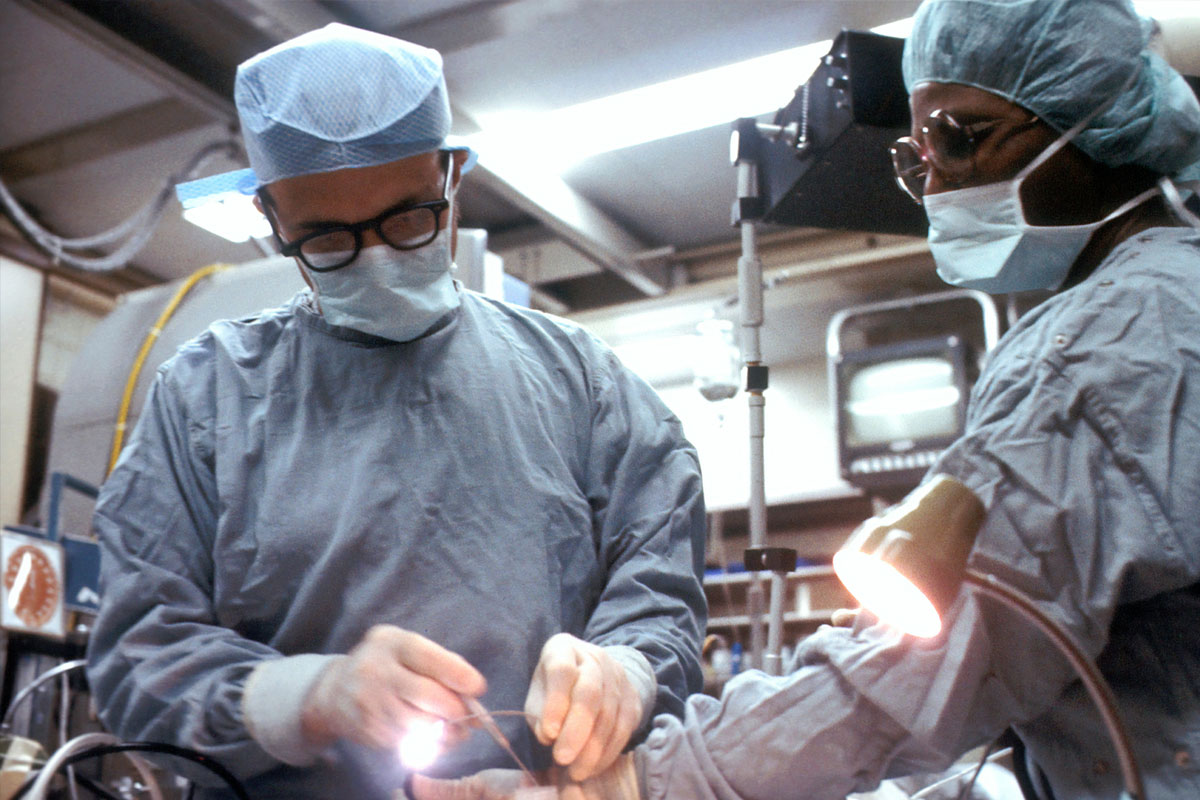

Anesthesia departments are under constant pressure to deliver safe, efficient care while managing unpredictable schedules, evolving regulations, and ongoing workforce shortages. Whether in hospitals, ambulatory surgery centers (ASCs), or office-based settings, staffing challenges can quickly impact patient outcomes, provider satisfaction, and operational performance.
At ICON Anesthesia, we’ve worked closely with facilities and providers to understand where breakdowns happen and how to solve them. Below are some of the most common anesthesia staffing challenges and practical ways to avoid them.
1. Short-Notice Coverage Gaps
One of the most frequent issues facilities face is last-minute coverage gaps. Whether due to illness, burnout, or scheduling conflicts, these gaps can disrupt operating room flow and delay procedures.
How to avoid it:
Proactive planning is key. Facilities should maintain a reliable network of credentialed providers who can step in when needed. Building relationships with a staffing partner ensures access to pre-vetted professionals who are ready to integrate quickly. Having contingency plans in place reduces stress when the unexpected happens.
2. Poor Role Alignment
Not every anesthesia provider is the right fit for every facility. Differences in workflow, case complexity, team dynamics, and culture can lead to mismatches that affect both performance and morale.
How to avoid it:
Take the time to define what success looks like in your environment. Beyond credentials, consider communication style, adaptability, and experience with similar case types. At ICON Anesthesia, we focus on aligning providers with facilities based on both clinical expertise and team compatibility to create long-term success.
3. Inefficient Credentialing Processes
Credentialing delays are a major bottleneck in anesthesia staffing. Missing documents, outdated systems, and manual tracking can slow down onboarding and leave facilities understaffed.
How to avoid it:
Streamline credentialing with organized, digital systems that keep documentation current and accessible. Partnering with a staffing organization that manages credentialing proactively can significantly reduce turnaround times and eliminate administrative headaches.
4. Provider Burnout and Turnover
Burnout remains a growing concern across healthcare, and anesthesia providers are no exception. Long hours, inconsistent schedules, and high-pressure environments contribute to fatigue and turnover.
How to avoid it:
Consistency and communication matter. Creating predictable schedules, ensuring adequate coverage, and fostering a supportive work environment can improve retention. Facilities that prioritize provider well-being often see stronger team performance and better patient care outcomes.
5. Lack of Flexibility in Scheduling
Rigid scheduling models don’t always reflect the realities of modern healthcare. Fluctuating case volumes, seasonal trends, and unexpected changes require flexibility.
How to avoid it:
Adopt a more dynamic approach to scheduling. Leveraging a mix of full-time staff and flexible providers allows facilities to scale coverage based on demand. This reduces overstaffing during slower periods and ensures adequate support during peak times.
6. Communication Breakdowns
Miscommunication between providers, administrators, and surgical teams can lead to inefficiencies, delays, and frustration.
How to avoid it:
Clear expectations and consistent communication channels are essential. From onboarding to daily operations, everyone should understand roles, responsibilities, and workflows. Strong communication creates smoother transitions and better collaboration across teams.
7. Overemphasis on Speed Over Quality
When staffing needs become urgent, there’s often pressure to fill roles as quickly as possible. However, prioritizing speed over fit can lead to long-term challenges.
How to avoid it:
Focus on quality placements from the start. A thoughtful, strategic approach to staffing ensures providers are not only qualified but also aligned with your facility’s goals. This reduces turnover and creates a more stable, effective team.
Why the Right Staffing Strategy Matters
Anesthesia staffing is more than filling shifts, it’s about building a system that supports providers, patients, and facilities alike. When staffing is done right, it improves efficiency, enhances patient safety, and strengthens team dynamics.
At ICON Anesthesia, we take a comprehensive approach to staffing by understanding each facility’s unique needs and matching them with the right providers. From credentialing support to long-term workforce planning, our goal is to help healthcare organizations operate with confidence and consistency.
Final Thoughts
The challenges in anesthesia staffing are real, but they are not insurmountable. With the right strategy, tools, and partnerships, facilities can avoid common pitfalls and create a more resilient, efficient workforce.
If your facility is navigating staffing challenges or looking to improve coverage, the team at ICON Anesthesia is here to help.
Connect with ICON Anesthesia today to build a smarter, more reliable staffing strategy that supports your team and your patients.