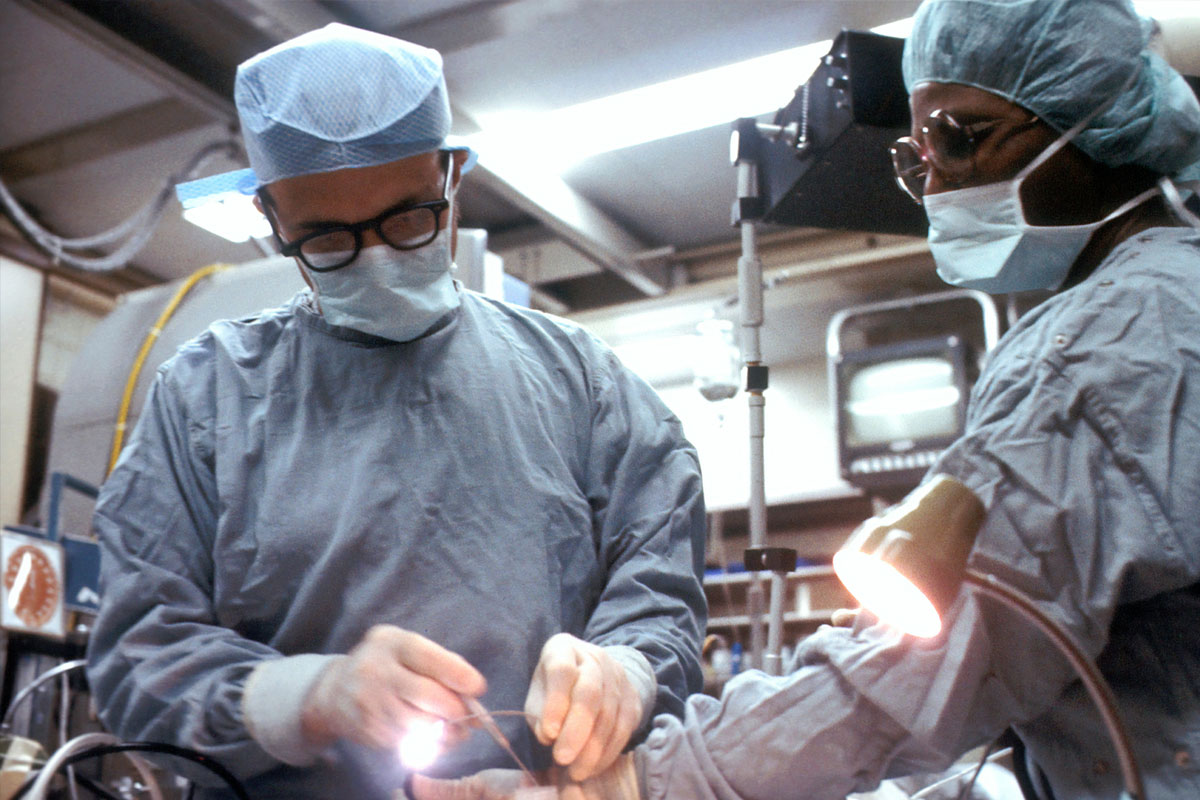

Every minute inside an operating room matters.
Hospitals and Ambulatory Surgery Centers continually look for opportunities to improve operating room efficiency because even small disruptions can affect surgical schedules, patient flow, provider collaboration, and financial performance.
While technology and scheduling software play important roles, one of the most significant contributors to operating room efficiency is effective anesthesia management.
A well-managed anesthesia service line provides the clinical leadership, operational oversight, and coordination needed to keep operating rooms functioning efficiently while supporting providers and delivering exceptional patient care.
Why Operating Room Efficiency Matters
Operating rooms represent one of the most valuable and resource-intensive areas within a healthcare organization.
Improving operating room efficiency helps facilities maximize surgical capacity while supporting patients, providers, and operational performance.
Efficient operating rooms can contribute to:
- More consistent surgical schedules
- Improved patient throughput
- Better utilization of operating room resources
- Reduced overtime
- Greater surgeon satisfaction
- Stronger financial performance
Achieving these outcomes requires every part of the surgical process to work together seamlessly.
The Role of Anesthesia Management in Operating Room Efficiency
Anesthesia services influence nearly every stage of the surgical journey.
From preoperative assessments and case preparation to recovery and postoperative care, anesthesia teams play an essential role in maintaining workflow throughout the day.
Effective anesthesia management helps coordinate:
- Daily provider scheduling
- Clinical leadership
- Communication across surgical teams
- Operational oversight
- Workflow optimization
- Team continuity
When these elements work together, operating rooms can maintain greater consistency while minimizing unnecessary disruptions.
Common Operational Challenges That Affect Operating Room Efficiency
Operating room delays are not always the result of scheduling problems alone.
Healthcare organizations often encounter challenges such as:
- Communication breakdowns
- Workflow inconsistencies
- Case scheduling changes
- Provider coordination
- Clinical process variation
- Changing surgical volumes
Without consistent operational oversight, these issues can reduce efficiency and create unnecessary stress for providers, staff, and patients.
Why Clinical Leadership Makes a Difference
Strong clinical leadership creates consistency across the anesthesia service line.
Experienced leaders help establish expectations, improve communication, support providers, and promote accountability throughout the surgical environment.
Clinical leadership also helps healthcare organizations:
- Improve collaboration
- Strengthen quality initiatives
- Support providers
- Enhance patient safety
- Maintain operational consistency
As surgical programs grow, leadership becomes increasingly important to sustaining efficient operations.
Supporting Providers Creates Better Patient Care
Operating room efficiency depends on providers having the support they need to focus on patient care.
Clear communication, organized workflows, and consistent operational processes allow anesthesia professionals to perform at their highest level while collaborating effectively with surgeons, nurses, and facility leadership.
When providers work within a well-managed anesthesia service line, healthcare organizations benefit from stronger teamwork, greater continuity, and improved operational performance.
Building an Efficient Anesthesia Service Line
Healthcare organizations seeking to improve operating room efficiency often focus on scheduling software or operational technology.
While those tools are valuable, lasting improvements require a comprehensive approach that combines:
- Clinical leadership
- Operational oversight
- Provider coordination
- Workflow optimization
- Continuous quality improvement
- Long-term planning
Together, these elements create a stronger anesthesia service line that supports sustainable operational excellence.
The Future of Operating Room Efficiency
As outpatient surgery continues to expand and healthcare organizations face increasing operational demands, operating room efficiency will remain a critical priority.
Facilities that invest in comprehensive anesthesia management will be better positioned to support providers, improve patient experiences, optimize resources, and adapt to future growth.
Rather than viewing anesthesia management as simply an operational responsibility, leading healthcare organizations recognize it as a strategic advantage that strengthens the entire surgical environment.
Partner with ICON Anesthesia
At ICON Anesthesia, we partner with hospitals and Ambulatory Surgery Centers to provide comprehensive anesthesia management services built around clinical leadership, operational oversight, provider coordination, and continuous improvement.
Our approach helps healthcare organizations strengthen operating room efficiency, support anesthesia providers, and create consistent, high-quality surgical experiences for patients and care teams alike.